10 Garden Furniture Buying Tips for Global Buyers

Time:2026-10-11 Author:Liam
0%

Buying garden furniture for international projects is rarely as simple as choosing attractive chairs. Climate, shipping distance, local space, and daily use can change the right decision completely. A balcony in Singapore needs different materials from a covered terrace in Stockholm. Salt air, intense sunlight, heavy rain, and winter frost each leave visible marks.

Outdoor-living designer and garden furniture specialist Richard Naylor advises, “Good outdoor furniture should make people want to stay outside longer.” That principle matters more than fashionable product photographs. Global buyers should examine frame construction, fabric performance, drainage, replacement parts, packaging, and supplier experience. A beautiful table means little if its coating fades after one summer or its spare components cannot be shipped.

Start with the setting. Measure the available area, including walking space and door clearance. Then compare aluminium, teak, steel, synthetic rattan, and recycled materials against the local climate. Check whether cushions dry quickly after rain. Ask for test reports, care instructions, material samples, and clear warranty terms. Reliable suppliers should answer specific questions without hiding behind vague promises.

Price still matters, but the cheapest quote may create higher maintenance costs later. Delivery damage is another practical risk. Strong cartons, corner protection, and inspection procedures deserve attention. Some buyers overlook these details. I have, too, in less careful purchasing decisions. A perfect checklist does not exist. However, thoughtful questions can prevent expensive mistakes and help global buyers select Garden Furniture that remains comfortable, durable, and visually appropriate for years.
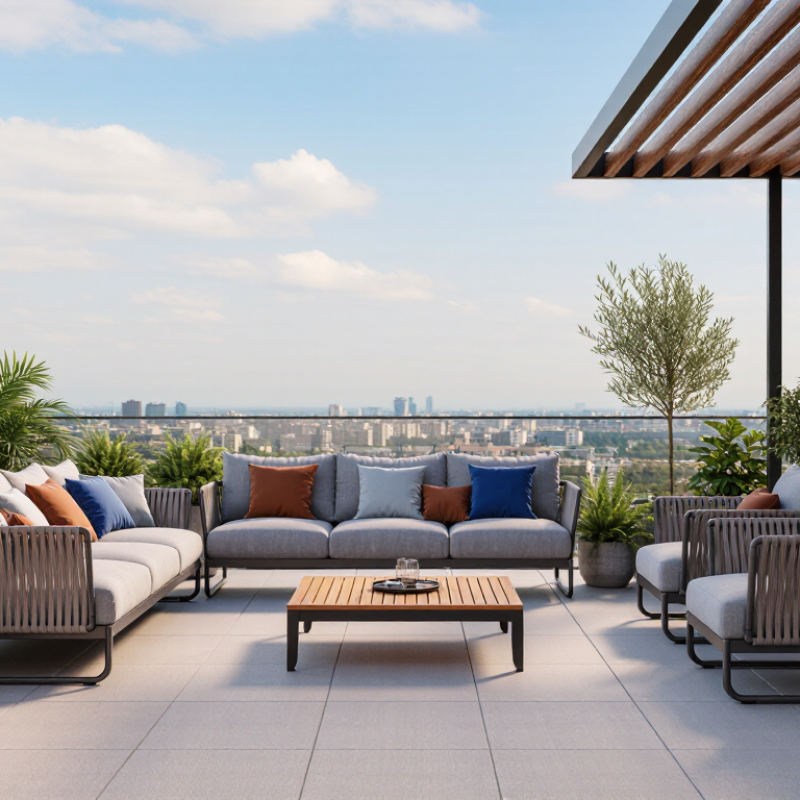
10 Garden Furniture Buying Tips for Global Buyers

Understanding Your Garden Furniture Needs and Buying Goals

Before comparing prices, define how your outdoor space should work. A balcony may need two folding chairs and a narrow table. A family garden needs deeper seating, shade, and safe circulation around the dining area. Measure the usable floor, not the entire yard. Leave enough room to pull out chairs comfortably. I once approved a table that looked perfect online, but blocked the garden gate. That mistake changed how I check dimensions.

Your buying goal should be specific. Are you creating a quiet reading corner, a weekend dining space, or flexible seating for guests? Write the answer down. It helps separate essential features from attractive distractions. For frequent rain, prioritize quick-drying cushions, rust-resistant frames, and removable covers. For intense sun, inspect fabric ratings and surface heat. Materials still need care. Even durable furniture can stain, fade, or loosen when neglected.

Global buyers should examine delivery conditions before ordering. Confirm package dimensions, assembly requirements, replacement-part access, and care instructions in clear language. Local climate matters more than catalogue photography. Coastal air, frost, dust, and strong ultraviolet exposure create different maintenance demands. Do not assume the heaviest option is the best one. It may be difficult to move indoors during severe weather. Review your priorities after measuring the space; your first plan may be wrong.

10 Garden Furniture Buying Tips for Global Buyers

Understanding Your Garden Furniture Needs and Buying Goals

Before choosing outdoor dining furniture, compare the seating capacity with the table length and the space needed for comfortable movement. The figures below are practical planning dimensions based on common residential furniture layouts.

Allow approximately 90 cm of circulation space around the table. Final dimensions may vary by chair design, table shape, and local space requirements.

Choosing Materials for Climate, Durability, and Maintenance

10 Garden Furniture Buying Tips for Global Buyers

Choosing Materials for Climate, Durability, and Maintenance

Tip: Match the material to your local weather, not just your preferred style. In humid coastal areas, salt air quickly attacks untreated metal and weakens some fasteners. Powder-coated aluminum resists rust, feels light, and suits balconies or seaside patios. However, coating quality varies, so inspect edges, joints, and drilled holes. Small exposed areas can become major problems.

Hot, dry climates demand different choices. Teak and other dense hardwoods tolerate strong sunlight, but they still need cleaning and occasional oiling. Without care, wood turns silver-gray and may develop surface cracks. That change is not always damage, but buyers should expect it. Plastic furniture handles moisture well, yet low-grade material can become brittle after long ultraviolet exposure. It may look practical, then fail unexpectedly.

Tip: Ask about maintenance before ordering large quantities. Confirm whether cushions resist mildew and whether covers allow airflow. In snowy regions, avoid designs that trap water inside hollow frames. Store or cover furniture during freezing weather. Stainless steel can perform well, but its exact grade matters near the sea. I have seen buyers focus on appearance and overlook drainage holes. That mistake is easy to repeat. Request material specifications, care instructions, warranty terms, and replacement-part availability. These details reveal more than attractive product photographs.

Comparing Designs, Sizes, Comfort, and Outdoor Space Requirements

10 Garden Furniture Buying Tips for Global Buyers

Comparing Designs, Sizes, Comfort, and Outdoor Space Requirements

Measure the outdoor area before comparing furniture designs. Leave at least 90 centimetres for comfortable walking routes. For dining areas, allow extra space behind each chair. Measure twice. A compact balcony may suit folding chairs, nesting tables, or a narrow bench. Larger patios can handle sectional seating, but oversized pieces may restrict movement. Check doorways, lifts, stairwells, and storage entrances before ordering. International buyers should also confirm metric measurements, package dimensions, and assembly requirements.

Choose materials according to sunlight, rainfall, wind, and temperature changes. Powder-coated metal offers a clean appearance, while treated timber brings warmer visual texture. Synthetic woven materials can feel lighter and need less frequent maintenance. Still, no outdoor material is maintenance-free. I once underestimated strong afternoon sun, and a dark cushion became uncomfortable within minutes. Test cushion thickness, seat depth, back angle, and arm height whenever possible. Sit before buying. Good comfort depends on body size, not photographs alone.

Compare designs with the space’s daily purpose. A low lounge set encourages relaxed conversation, while upright chairs support longer meals. Select removable, quick-drying covers for humid climates. Check whether cushions need indoor storage during storms or winter. Add shade through an umbrella, canopy, or nearby planting, but confirm stability in local wind conditions. Consider stackable or foldable furniture when storage is limited. Review care instructions and replacement-part availability before purchase. Small details matter. The perfect layout on paper may feel crowded in real use.

Checking Quality, Safety Standards, Warranties, and Supplier Reliability

Tip 1: Inspect quality beyond photographs. Request material specifications, weld images, coating details, and assembly instructions. Check sample furniture outdoors for rust, loose joints, sharp edges, and unstable legs. A heavy frame is not always a strong frame. I once overlooked drainage holes, and trapped water damaged the finish faster than expected.

Tip 2: Confirm safety requirements before placing a large order. Standards differ between countries and product categories. Ask suppliers which stability, load, chemical, and flammability tests apply to your market. Request recent reports from qualified, independent laboratories. Verify the tested model matches the production model. This detail matters. A certificate with the wrong material or design offers little protection.

Tip 3: Read the warranty like a contract, not a promise. Check coverage periods, excluded weather damage, spare-part support, and the process for reporting defects. Reliable suppliers provide clear inspection procedures, production updates, and traceable shipping documents. Order a sample first, then review packaging, instructions, and response times. Slow replies before payment may become slower after delivery. Even careful buyers make errors, so record every agreement in writing and leave room for corrective action.

Planning Costs, Shipping, Assembly, and Long-Term Care

Planning costs for garden furniture starts with the full landed price, not the showroom price. Add packaging, insurance, customs duties, local delivery, and possible storage. UNCTAD’s Review of Maritime Transport reports that over 80% of global merchandise trade moves by sea. Freight delays can therefore affect both budgets and outdoor project schedules. Ask for carton dimensions and the shipment’s delivery terms before paying. A low product price may hide expensive last-mile handling.

Tip: Request a written cost breakdown.

Assembly deserves equal attention. Check whether stair access, tools, and two-person lifting are required. The World Bank’s 2023 Logistics Performance Index highlights reliability and delivery timeliness as key logistics concerns. A missing bolt can create a costly delay, especially when replacement parts cross borders. Photograph every carton before opening it. This small habit supports damage claims, although it cannot repair poor instructions.

Tip: Confirm spare-part availability.

Long-term care should influence material selection. UV exposure, standing water, salt air, and freezing temperatures each create different risks. The U.S. Environmental Protection Agency’s 2024 sustainability guidance emphasizes extending product life through maintenance and responsible material use. Wash surfaces gently, keep cushions dry, and inspect joints each season. I would not assume “weather-resistant” means maintenance-free. That wording is often too vague. Budget for covers, refinishing, or hardware replacement every few years, depending on climate and use.

10 Garden Furniture Buying Tips for Global Buyers - Planning Costs, Shipping, Assembly, and Long-Term Care
No. Buying Tip Useful Planning Data Cost Consideration Shipping and Assembly Long-Term Care
1 Measure the installation area first Leave approximately 60–90 cm of circulation space around dining chairs and frequently used seating. Check doorways, lifts, gates, and stairways before ordering. Correct measurements help prevent return freight, restocking charges, and modification costs. Compare the packed dimensions with the smallest access point, not only the product dimensions after assembly. Keep furniture away from constant contact with damp walls, standing water, and drainage outlets.
2 Set a complete landed-cost budget Add product price, export packing, freight, insurance, customs duties, import tax, brokerage, local delivery, and assembly. A practical contingency reserve is about 10–15% of the estimated landed cost for exchange-rate movement, access fees, and minor delivery changes. International freight may be charged by actual weight or by volumetric weight. Ask for both gross weight and packed volume. Include future spending for replacement covers, fasteners, cushions, protective pads, and seasonal storage.
3 Choose materials for the local climate Aluminum is lightweight and corrosion-resistant; stainless steel provides high strength; treated hardwood tolerates outdoor use; plastics and synthetic wicker vary widely in UV stability. Higher corrosion resistance and UV stability can increase the purchase price but may reduce replacement frequency. Metal frames are often efficient for stacking, while rigid tabletops and assembled seating can increase cubic volume. Coastal salt, high humidity, freezing temperatures, intense sun, and heavy rainfall each require different protection and cleaning routines.
4 Evaluate weather and UV resistance Outdoor textiles should be labeled for outdoor use and tested for colorfastness. Powder-coated finishes resist weathering but can still chip or scratch. UV-resistant cushions and solution-dyed outdoor fabrics generally cost more than untreated indoor fabrics. Cushions should be packed dry and protected from compression damage. Ask whether covers are included or shipped separately. Remove cushions during prolonged rain, allow them to dry fully, and use breathable covers rather than fully sealed coverings that trap moisture.
5 Compare shipping methods carefully Sea freight is usually suitable for larger commercial quantities, while air freight is faster but normally more expensive for bulky goods. Groupage or consolidated freight can reduce cost for smaller shipments. Request a quote that clearly separates origin charges, main freight, destination charges, customs clearance, and final-mile delivery. Confirm the Incoterm, delivery address, unloading responsibility, pallet requirements, insurance coverage, and estimated transit time in writing. Inspect cartons for water exposure, crushing, punctures, or missing hardware immediately after delivery and photograph any damage.
6 Check packaging efficiency and protection Strong corner protection, moisture barriers, abrasion protection, and internal bracing are important for heavy or fragile pieces. Flat-pack designs can reduce shipping volume. Better packaging increases packaging cost but can lower the risk of replacement, claims, and installation delays. Ask for packed dimensions, package count, gross weight, pallet dimensions, and whether packaging is suitable for stacking. Keep spare touch-up materials and matching fasteners where possible, especially for painted metal and modular products.
7 Plan assembly before purchase Basic tables and chairs commonly require roughly 30–90 minutes per set, depending on the number of parts, tools, and installers. Include labor, tools, disposal of packaging, and possible return visits when comparing flat-pack and fully assembled options. Confirm whether instructions, fasteners, allen keys, leveling feet, and spare parts are included. Do not force misaligned components. Recheck bolts after initial use and periodically thereafter, especially where furniture is exposed to vibration, wind, or frequent movement.
8 Select furniture for wind and safety conditions Lightweight furniture is easier to move but can be displaced by strong wind. Secure umbrellas, tall items, and loose cushions separately. Budget for anchoring hardware, weighted bases, storage boxes, or tie-down systems where local weather requires them. Verify the finished weight, center of gravity, base design, and whether anchoring is permitted on the installation surface. Move or secure furniture before storms. Do not rely on a cover alone to prevent wind movement.
9 Confirm maintenance requirements Most outdoor furniture benefits from regular removal of dirt and debris. Mild soap, clean water, and a soft brush are generally safer than abrasive cleaners. Low-maintenance finishes may reduce labor and cleaning-product costs over the product’s service life. Request cleaning instructions in the destination language and confirm which replacement parts can be shipped internationally. Avoid high-pressure washing unless the care instructions specifically allow it. Dry metal joints, fabric seams, and drainage points after cleaning.
10 Plan seasonal storage and end-of-life handling In freezing climates, store cushions dry and protect materials from repeated freeze-thaw cycles. In wet climates, prioritize ventilation and drainage. Compare the cost of storage covers, shelving, protective boxes, and off-season warehousing with the cost of replacing weather-damaged items. Choose stackable or foldable pieces when storage space, container utilization, or return transport is important. Keep furniture elevated from wet ground, avoid trapping moisture under covers, and recycle or dispose of materials according to local regulations.

Planning figures are general guidance for comparison purposes. Actual costs, transit times, import charges, installation time, and maintenance needs depend on product design, shipment volume, destination regulations, climate, and site conditions.

FAQS

Which material suits humid coastal areas?

Powder-coated aluminum resists rust and remains easy to lift.Inspect edges, joints, and drilled holes.Salt air attacks exposed metal quickly.Stainless steel can work, but its grade matters near the sea.

What works best in hot, dry climates?

Dense hardwood tolerates strong sunlight, but it still needs cleaning and occasional oiling.Untreated wood may turn silver-gray or develop surface cracks.That change is not always damage.Plastic handles moisture well, yet poor-quality plastic can become brittle under ultraviolet exposure.

How can I reduce mold and winter damage?

Ask whether cushions resist mildew.Choose covers that allow airflow.Avoid hollow frames that trap water in snowy regions.Store or cover furniture during freezing weather.Small drainage holes matter.

What should I inspect beyond product photographs?

Request material specifications, weld images, coating details, and assembly instructions.Check sample furniture outdoors for rust, loose joints, sharp edges, and unstable legs.A heavy frame is not always strong.I once overlooked drainage holes.That mistake repeats.

Which safety documents should buyers request?

Ask which stability, load, chemical, and flammability tests apply to your market.Request recent reports from qualified, independent laboratories.Confirm the tested design matches the production model.A mismatched certificate offers little protection.This detail matters.

What should a furniture warranty clearly explain?

Check the coverage period, weather exclusions, spare-part support, and defect-reporting process.Reliable suppliers provide inspection steps, production updates, and traceable shipping documents.Order a sample before purchasing large quantities.Slow replies before payment may become slower after delivery.Record agreements in writing.

How should I calculate the real purchase cost?

Start with the full landed price, not the showroom price.Include packaging, insurance, duties, local delivery, and possible storage.Request carton dimensions and delivery terms before payment.A low product price may hide expensive last-mile handling.Budgets can shift.

How can I prevent assembly and maintenance problems?

Confirm stair access, required tools, and two-person lifting needs.Photograph every carton before opening it.Confirm spare-part availability.Wash surfaces gently, keep cushions dry, and inspect joints each season.Weather-resistant does not mean maintenance-free.Budget for covers, refinishing, or hardware replacement.

Conclusion

Buying Garden Furniture for international markets requires more than choosing an attractive style. Start by defining your needs, intended use, seating capacity, available space, and purchasing goals. Consider the local climate carefully: materials should resist moisture, sunlight, temperature changes, and frequent use while remaining easy to clean and maintain. Compare designs, dimensions, comfort, storage options, and assembly requirements to ensure the furniture fits both the outdoor environment and the users’ expectations.

Before placing an order, examine construction quality, safety features, applicable standards, warranty terms, and the supplier’s production and communication reliability. A complete budget should include product costs, packaging, shipping, taxes, assembly, and possible replacement parts. Buyers should also understand delivery schedules, installation instructions, and long-term care requirements. By evaluating appearance, performance, logistics, and after-sales support together, global buyers can make confident choices and reduce unexpected costs throughout the furniture’s service life.


Liam

Liam

Liam is a dedicated marketing professional with a profound expertise in the industry, where he excels at highlighting the unique advantages of our core products. With a keen understanding of market trends and consumer needs, Liam frequently updates our company’s professional blog, providing......