China Top 10 Hardware Furniture Sets Manufacturers?

Time:2026-09-26 Author:Sophia
0%

Choosing reliable Hardware Furniture Sets manufacturers in China requires more than comparing glossy catalogs. Buyers must examine production capacity, material consistency, surface treatment, packaging, and after-sales communication. A polished website proves little. Factory evidence matters.

This guide reviews ten notable Chinese manufacturers serving furniture brands, wholesalers, contractors, and custom project buyers. The evaluation considers product range, OEM and ODM experience, quality-control procedures, export capability, certifications, minimum order quantities, and delivery performance. Particular attention goes to hinges, drawer slides, handles, connectors, brackets, and complete hardware combinations. These details affect cabinet alignment, daily opening cycles, installation speed, and long-term customer satisfaction.

Real purchasing conditions can be less tidy. Samples may pass inspection while bulk production reveals color variation or loose fittings. That risk deserves honest discussion. Buyers should request recent samples, material specifications, inspection records, and clear tolerance requirements before placing an order. Factory visits or independent audits can add useful confidence, especially for large contracts.

No ranking is permanent. Supplier strengths change with equipment, management, raw-material costs, and market demand. Therefore, this list should support due diligence rather than replace it. Each manufacturer deserves direct verification. Product photographs are only a starting point.

The selected companies represent different strengths, including standardized production, flexible customization, modern machining, and international service. Some may suit high-volume orders. Others may perform better for smaller, design-led projects. The best choice depends on your furniture structure, budget, target market, and required delivery schedule. Expect questions, comparisons, and a few uncomfortable gaps. That is part of making a dependable sourcing decision.
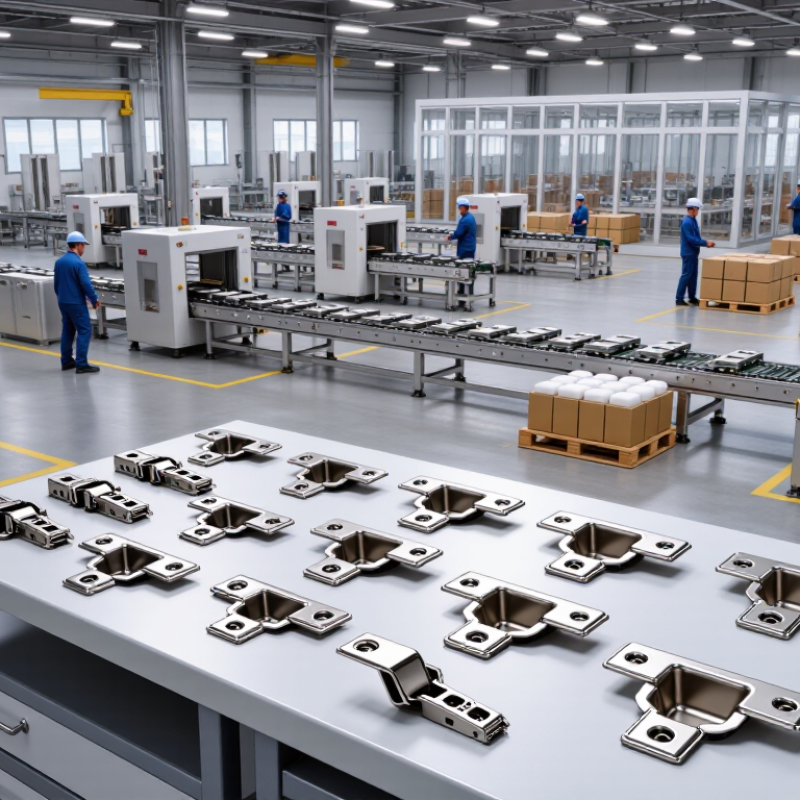
China Top 10 Hardware Furniture Sets Manufacturers?

What Are Hardware Furniture Sets and Why China Leads Their Production

Hardware furniture sets are coordinated fittings that help furniture parts move, connect, and stay secure. A typical set may include hinges, drawer slides, handles, brackets, screws, and mounting plates. These parts seem small, but their fit affects a cabinet’s alignment and daily feel.

A drawer that glides smoothly is often the result of careful sizing, consistent materials, and accurate installation. Details matter.

China leads much of this production through dense supplier networks, experienced metalworking factories, and access to processes such as stamping, casting, plating, and precision machining. Nearby suppliers can provide components quickly, while established logistics support large orders and varied specifications. Buyers can often request different finishes, load ratings, or package combinations without changing the whole design. That flexibility is useful, though quality still depends on clear drawings, material checks, and practical testing. Scale is not proof of durability. A polished sample may perform differently after months of use, so buyers should verify production consistency and test fittings under realistic conditions. China’s manufacturing strength comes from an ecosystem, not from one factory or one process.

How to Evaluate China’s Top Hardware Furniture Set Manufacturers

When evaluating China’s hardware furniture set manufacturers, look beyond catalog photos. A complete set may include hinges, drawer slides, handles, and fasteners, but each part must work with the intended cabinet design. Ask for material specifications, finish options, load ratings, and dimensional tolerances. Clear answers are useful; vague claims about “premium quality” are not.

Request samples from the production line, not only showroom pieces. Check whether screw holes align, drawers move smoothly, and plated surfaces show scratches under ordinary handling. Ask how the factory tests opening cycles, corrosion resistance, and load performance, and request dated reports where available. A sample is a clue, not a guarantee. Confirm that production parts match it.

Reliability also shows in process details. Review inspection records, batch traceability, packaging, lead times, and how defects are handled. A supplier should explain what happens when a component fails inspection, rather than promising perfection. Not every test predicts field performance. Compare communication during sampling with communication during quotation; slow or incomplete replies can signal coordination problems later. Record agreed specifications in writing, including finish, dimensions, and acceptable tolerances, before approving a bulk order.

China’s Top 10 Hardware Furniture Set Manufacturers

China’s Top 10 Hardware Furniture Set Manufacturers

China’s furniture hardware sector includes factories specializing in hinges, drawer slides, handles, connectors, and coordinated fitting sets. A useful top-ten comparison should examine more than production volume. Check material specifications, finish consistency, load ratings, and whether the supplier can provide clear inspection records. These details matter when a cabinet door opens hundreds of times each month.

Request samples before approving a large order. Test hinges for smooth movement, inspect screw holes for clean edges, and compare finishes under natural light. Ask how the factory handles dimensional tolerances and batch changes. A polished catalog is helpful, but it cannot replace a physical sample. Rankings also vary by product type and purchasing needs, so treat “top ten” as a shortlist rather than a universal verdict.

Tips: Compare the same specifications across suppliers. Confirm packaging, replacement-part availability, and lead times in writing. Small details count. One overlooked measurement can complicate installation, and buyers sometimes learn this too late.

Product Categories, Manufacturing Strengths, and Market Differences

China Top 10 Hardware Furniture Sets Manufacturers?

A reliable top-ten shortlist should compare product categories, not only factory size. Common categories include concealed hinges, drawer slides, handles, cabinet connectors, wardrobe systems, and adjustable legs. Grand View Research valued the global furniture market at approximately USD 516.66 billion in 2022. Its forecast suggests a 5.2% compound annual growth rate from 2023 to 2030. This growth supports demand for durable, modular hardware sets. China’s manufacturing strength comes from broad supplier networks, automated stamping, die casting, CNC machining, and flexible packaging. UN Comtrade data also places China among the leading global furniture exporters.

Market differences change the best purchasing decision. European buyers often examine corrosion resistance, load testing, and technical documentation. North American buyers may prioritize quick replacement parts and retail-ready packaging. Southeast Asian projects usually compare price, lead time, and container efficiency. China’s domestic market often favors customization and fast design revisions. These differences matter. A low-cost set may fail under frequent use. That mistake is easy to miss during sample approval.

Tips: Request test reports, material grades, cycle-test results, and dimensional drawings. Compare the same specification across suppliers. Inspect plating under bright light; uneven color often signals weak process control. Use small pilot orders before committing to annual volumes. Reports help, but factory audits reveal practical weaknesses. Sometimes, the “top” supplier is simply the best fit for one market.

How to Select the Right Chinese Manufacturer for Your Project

Choosing among China’s top ten hardware furniture set manufacturers requires more than comparing catalog prices. Start with your project drawings, target quantities, finish, and installation conditions. A reliable factory should explain material grades, tolerance ranges, plating or coating processes, and expected service life. Ask for recent production photos, sample parts, and a video audit of the workshop. From practical sourcing experience, clear evidence often matters more than polished sales presentations. Request a sample made from the same steel, aluminum, or zinc alloy used in mass production. Otherwise, the sample may look excellent while bulk goods disappoint.

Evaluate production control carefully. Check incoming material records, first-article inspection, dimensional reports, and packaging tests. Ask who handles corrective actions when hinges loosen, screws strip, or finishes scratch during transport. A professional manufacturer will discuss weaknesses openly and provide measurable remedies. Verify export experience, communication speed, tooling ownership, payment milestones, and after-sales procedures. A low quotation can hide mold fees, rework, or costly minimum orders. It happens.

Tips: Compare at least three factories using the same specification sheet. Confirm certificates through the issuing body, not only a PDF. Approve a pre-production sample and retain a sealed reference sample. Use an independent inspection before shipment, especially for large orders. Keep every tolerance, finish code, carton detail, and replacement term in the contract. Small omissions become expensive later.

China Top 10 Hardware Furniture Sets Manufacturers? - How to Select the Right Chinese Manufacturer for Your Project

Use this practical, non-ranked checklist to compare Chinese furniture-hardware manufacturers. It does not identify or rank individual companies; suitability depends on your product, market, order volume, and verification results.

Evaluation Dimension What to Check Evidence to Request Good Project-Fit Signal
1. Product and application fit Confirm the supplier makes the specific hardware sets you need, such as hinges, drawer slides, handles, connectors, or adjustable legs. Check compatibility with your furniture design and intended use. Current product catalogue, technical drawings, material specifications, and samples that match the proposed design. The supplier can explain installation requirements, compatible panel thicknesses, operating conditions, and any product limitations.
2. Materials and finish Identify the substrate and finish for each component. Depending on the product, materials may include steel, stainless steel, zinc alloy, or aluminium; finishes may include plating, coating, or anodizing. Written bill of materials, finish description, sample parts, and relevant material or coating test reports. Specifications clearly identify materials and finishes rather than relying only on general terms such as “premium” or “rust-proof.”
3. Dimensions and tolerances Compare critical dimensions, hole positions, mounting patterns, clearances, and permitted tolerances with your product drawings. Dimensioned drawings, inspection records for critical dimensions, and samples for fit checks. Measurements are documented and consistent with the approved drawing and assembly requirements.
4. Functional performance Evaluate operation relevant to the product, such as hinge movement, slide travel, load capacity, adjustment range, and cycle durability. Test conditions matter when comparing claims. Test reports stating the test method, sample details, load or cycle conditions, and results; arrange a sample test where appropriate. Performance claims are supported by test information that matches the intended application, not just an unqualified headline figure.
5. Corrosion resistance For metal hardware, establish the corrosion-resistance requirement based on the installation environment and destination market. Salt-spray testing, where relevant, should specify the method and exposure conditions. Recent corrosion-test reports identifying the tested finish and parts, test method, duration, and evaluation criteria. ISO 9227 is one example of a salt-spray test standard. The proposed finish and test evidence are suitable for the project; test duration is not treated as a universal guarantee of service life.
6. Quality management and inspection Understand how incoming materials, in-process operations, and finished goods are checked, and how nonconforming products are handled. Quality-control procedures, sample inspection records, defect-handling process, and current ISO 9001 certificate if claimed. ISO 9001 concerns a quality-management system, not certification of every product. Inspection criteria are defined before production, records can be reviewed, and corrective actions are documented.
7. Customization and engineering support Check capability for custom dimensions, finishes, packaging, private-label requirements, or tooling, where applicable. Clarify ownership and approval of drawings and tooling. Written quotation for customization, sample-development plan, drawing revision process, and tooling terms. Changes are controlled through approved drawings or samples, with responsibilities, costs, and lead-time effects stated in writing.
8. Order quantity and lead time Confirm minimum order quantities, sample availability, production lead time, peak-season capacity, and how schedule changes are communicated. Written quotation and production schedule separating sample, production, inspection, and dispatch stages. The proposed quantities and schedule fit your purchasing plan, with key assumptions and delivery terms made explicit.
9. Export packing and logistics Review protection against scratches, moisture, corrosion, and transit damage. Confirm carton labeling, packing quantities, and the agreed delivery term. Packing specification, carton or pallet details, sample packaging photos, and shipping documents from a comparable order where available. Packaging is appropriate for the product and transport route, and responsibilities for freight, insurance, and export documentation are clear.
10. Communication and after-sales support Assess response quality, technical communication, complaint handling, replacement policy, and access to production updates. Named contact roles, written warranty and claims terms, response process, and agreed escalation procedure. Questions receive specific, traceable answers, and the contract explains how quality claims and corrective actions will be handled.

FAQS

What should I check when comparing furniture hardware sets?

Check hinges, drawer slides, handles, and fasteners against your cabinet design. Request material details, finishes, load ratings, and dimensional tolerances.

Why should I request production samples?

Samples reveal practical details. Check screw-hole alignment, drawer movement, and surface scratches under ordinary handling. Confirm bulk parts will match.

How can I assess a factory’s quality controls?

Ask for inspection records, batch traceability, and dated test reports where available. Find out how failed components are handled.

Which tests matter for furniture hardware?

Ask about opening-cycle, corrosion-resistance, and load-performance tests. Test results help, but they cannot predict every installation condition.

How should I compare supplier quotations?

Give each factory the same specification sheet. Compare finish, tolerances, packaging, lead times, and minimum orders—not price alone.

What information belongs in a written agreement?

Record dimensions, finish codes, acceptable tolerances, carton details, and replacement terms. Small omissions can cause installation trouble.

How can I reduce the risk of sample and bulk orders differing?

Request a pre-production sample made from the mass-production material. Keep a sealed reference sample and arrange an independent inspection for large orders.

What communication signs should I watch for?

Compare replies during sampling and quotation. Slow or incomplete answers may signal coordination issues. I might be cautious, but details matter.

Conclusion

Hardware Furniture Sets are essential components in modern furniture production, combining functional fittings such as hinges, slides, connectors, handles, brackets, and assembly accessories. China has become a leading production base because of its broad supply chain, advanced manufacturing capacity, flexible customization, competitive pricing, and ability to support both small and large orders. This article explains what these sets include, why Chinese production is highly competitive, and which factors should be considered when evaluating potential manufacturers.

It also presents a structured overview of China’s top 10 Hardware Furniture Sets manufacturers without focusing solely on company names, highlighting differences in product categories, production strengths, quality systems, export experience, customization services, and target markets. Finally, the article offers practical guidance for selecting a suitable supplier, including reviewing product quality, certifications, production capacity, communication, lead times, packaging, pricing, and after-sales support. These criteria can help buyers identify a reliable manufacturing partner that matches their project requirements and long-term business goals.


Sophia

Sophia

Sophia is a dedicated marketing professional with an exceptional depth of knowledge about her company's products and services. With a keen understanding of market trends and customer needs, she crafts insightful blog posts that not only inform but also engage readers, enriching the company’s online......