As the demand for premium outdoor living expands, Teak Furniture Sets are emerging as a top choice for buyers in 2026. Renowned for their durability and timeless elegance, teak sets reflect a commitment to quality and sustainability. Globally, consumers are prioritizing furniture that not only enhances aesthetics but also withstands the test of time.
Teak's natural resistance to weather elements makes it ideal for diverse climates. However, selecting the right Teak Furniture Sets requires careful consideration. Buyers should examine the craftsmanship and sourcing of the wood. Are the pieces made from sustainably harvested teak? What about the maintenance required over time? These questions matter. Understanding the nuances of teak furniture will help ensure a worthwhile investment.
As we explore the top teak furniture sets available, it’s vital to recognize that not all products are created equal. There are options that may lack the promised quality. Buyers must remain vigilant and seek reputable brands. After all, while style is crucial, reliability defines a successful purchase.
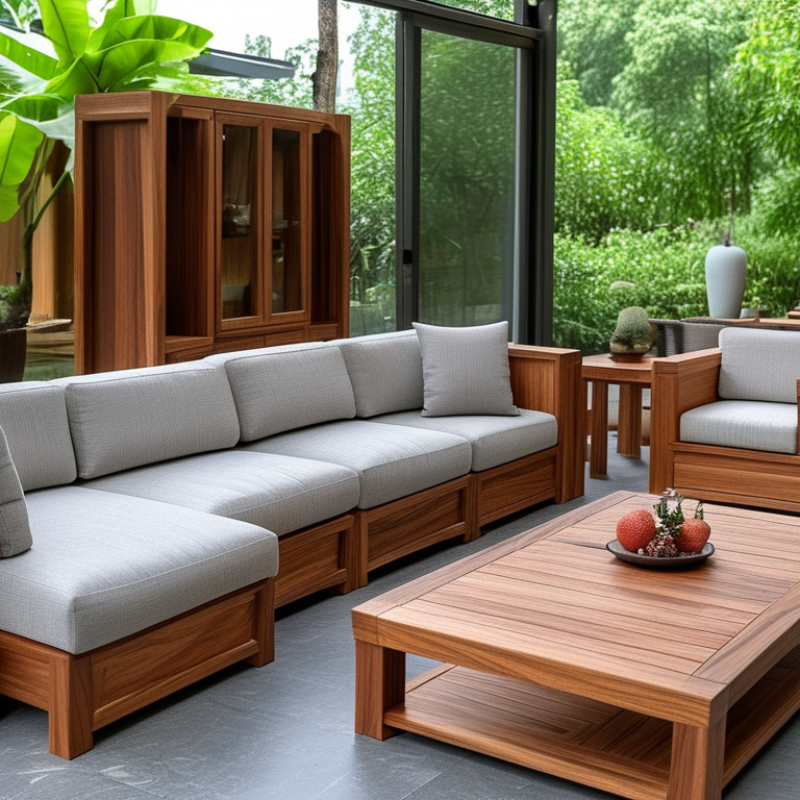
As global furniture markets evolve, teak furniture continues to gain popularity. In 2026, several emerging trends are shaping buyer preferences. Eco-friendly manufacturing processes are at the forefront. Consumers now prioritize sustainability. Teak, known for its durability and natural resistance to pests, is a top choice.
Another significant trend is personalization. Buyers seek unique designs that fit their style. Modular teak furniture sets are becoming increasingly popular. They offer flexibility, allowing for different configurations. Minimalist designs are in demand too. Clean lines and functional aesthetics resonate with modern consumers.
Lastly, technological advancements are influencing teak furniture production. Smart furniture integrating technology appeals to tech-savvy buyers. However, there are challenges to consider. Authenticity and craftsmanship must not be compromised for innovation. Striking a balance between modernity and tradition is crucial for manufacturers. This ongoing evolution presents both opportunities and hurdles for the teak furniture industry.
Sustainable sourcing of teak timber is vital for a greener future. As buyers become more aware, they seek furniture that supports eco-friendly practices. Teak, known for its durability and beauty, should be harvested responsibly.
Many regions face deforestation challenges. To mitigate this, focus on purchasing from certified vendors. Certifications ensure that timber is sourced from sustainable forests. Look for labels that indicate responsible harvesting practices to make informed choices.
When choosing teak furniture, consider the entire supply chain. Assess how timber is transported and processed. Sustainable logistics can reduce carbon footprints. Quality matters too; well-crafted teak lasts longer, often outliving cheaper alternatives. This isn't just a personal choice; it's a commitment to the planet.
Engage with manufacturers about their sourcing practices. Not all suppliers are transparent. Ask questions and seek clarity on environmental impacts. Small actions can lead to significant changes in the industry.
| Furniture Set | Material Grade | Sustainable Sourcing | Estimated Price ($) | Target Market |
|---|---|---|---|---|
| Teak Dining Set | Grade A | 100% FSC Certified | 1500 | North America |
| Teak Lounge Set | Grade B | 50% FSC Certified | 1200 | Europe |
| Teak Outdoor Set | Grade A | 100% FSC Certified | 2000 | Asia |
| Teak Garden Set | Grade B | Certified Reclaimed | 950 | Australia |
| Teak Coffee Table Set | Grade A | 100% FSC Certified | 800 | Global |
In 2026, teak furniture sets are evolving. Designers aim to strike a balance between aesthetic appeal and functionality. Modern teak furniture blends traditional craftsmanship with innovative designs. Features like modularity and multifunctionality are gaining popularity. These aspects cater to global consumers seeking versatile solutions for their living spaces.
Harmonizing natural wood tones with contemporary textures forms a key trend. Clean lines and minimalist styles create a sense of tranquility in any environment. Many consumers appreciate the warmth that teak offers in contrast to synthetic materials. The durability of teak paired with eco-friendly finishes elevates the overall design experience. However, it raises questions about sustainability. Can designers truly balance aesthetics with environmental responsibility?
Consumer preferences are changing rapidly. Buyers favor furniture that reflects their values. There is demand for ethically sourced materials and sustainable practices in design. This shift hints at a need for further innovation and transparency within the industry. Not everything is perfect, and challenges remain. Designers must continuously adapt in this changing landscape.
The teak furniture market is poised for substantial growth in 2026. According to a recent industry report, global teak furniture sales are projected to exceed $10 billion by that year. This surge is driven by rising demand from both residential and commercial sectors. Factors such as durability, aesthetic appeal, and sustainable sourcing are increasingly influencing consumer choices.
Several manufacturers are expected to lead the market. Companies focusing on eco-friendly production methods will gain a competitive edge. Research shows that 60% of consumers prefer products made from sustainably sourced materials. This trend highlights the importance of environmental considerations in purchasing decisions.
Despite this promising outlook, challenges remain. Supply chain disruptions could impact production rates. Additionally, varying quality standards across different manufacturers can confuse buyers. Some consumers may struggle to find reliable sources. As buyers navigate these complexities, they may need to invest time in research to make informed choices.
When selecting teak furniture, aesthetics and durability play critical roles. Teak is renowned for its natural beauty, featuring rich hues and unique grain patterns. This wood, native to Southeast Asia, is not only visually appealing but also offers impressive durability. However, ensuring the right balance between these factors can be challenging.
Durability is a key consideration for any outdoor furniture. Teak wood contains natural oils that make it resistant to moisture, insects, and decay. This makes it ideal for outdoor use. Still, there are differences between various teak products. Some may lack the thickness necessary for long-lasting durability. Understanding these differences takes time and research, which can be overwhelming for buyers.
Incorporating teak furniture into your space requires careful thought. Consider how it complements your existing decor. The right piece should feel like a natural extension of your home. Keep in mind that not all teak furniture is created equal. Some may require more maintenance than others. Noticing these subtleties will enhance your buying experience.
: Eco-friendly manufacturing and sustainability are driving the popularity of teak furniture.
Buyers can choose unique designs and modular furniture sets that fit their style.
Minimalist designs with clean lines and functional aesthetics are in high demand.
Smart furniture integrating technology is appealing to tech-savvy consumers.
Supply chain disruptions and varying quality standards can confuse consumers.
Durability ensures the furniture withstands weather, insects, and decay, especially outdoors.
Natural oils make teak resistant to moisture, enhancing its longevity.
Buyers should assess how the pieces complement their decor and their maintenance needs.
No, some teak furniture requires more upkeep than others, depending on the quality.
The teak furniture market is expected to exceed $10 billion, but challenges exist.
As we look towards 2026, the teak furniture market is poised for significant growth, driven by emerging trends that cater to international consumers. Teak Furniture Sets are becoming increasingly popular due to their unique blend of aesthetics and durability, making them ideal for both indoor and outdoor settings. Sustainable sourcing practices are taking center stage, emphasizing the importance of responsibly sourced timber to meet consumer demand for environmentally friendly products.
Innovations in design are also shaping the future of teak furniture, with manufacturers exploring new styles and functionalities that appeal to diverse market preferences. The leading manufacturers in the industry are focusing on balancing timeless elegance with modern convenience, ensuring that teak furniture sets meet the evolving needs of global buyers. Overall, the teak furniture landscape in 2026 promises to deliver high-quality, stylish solutions that resonate with conscientious consumers.

JIANGYIREN Furniture